Chris From Beachside
AGS Sil-Glyde Silicone Lubricant
AGS Sil-Glyde Silicone Lubricant
Couldn't load pickup availability
Most people ignore their weather stripping until it's already cracking, sticking, or squealing every time they open a door. By then you're already losing the battle.
Here's what's actually happening. Rubber degrades two ways — UV breaks down the surface, and dryness causes it to harden and lose elasticity. Once it hardens, it stops sealing. Water gets in. Wind noise starts. And in Florida heat, that process is accelerated compared to anywhere else in the country.
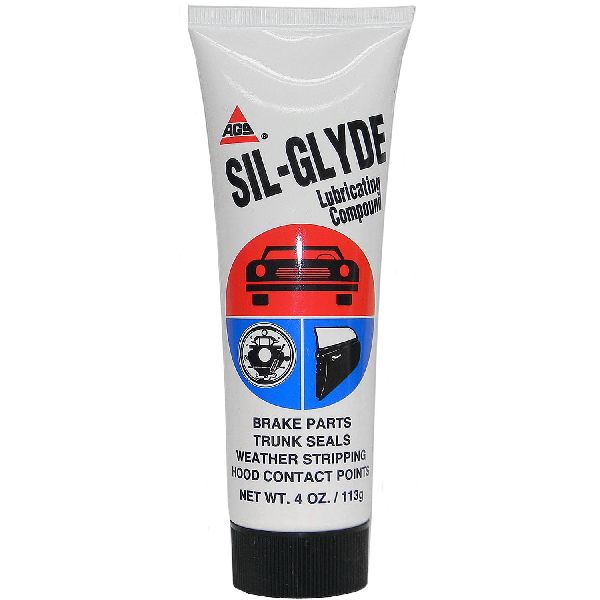
Sil-Glyde stops that cycle. It's a silicone-based compound, not a petroleum product. That distinction matters — petroleum-based lubricants will swell and degrade rubber over time. Silicone won't. It conditions the rubber, restores flexibility, and creates a barrier against moisture and UV.
It's not just doors. Trunk seals, hood contact points, sunroof channels — anywhere rubber meets metal is a place this belongs twice a year.
How to Use
Clean the weather stripping first — a damp rag to remove dirt and old residue. Apply a thin coat of Sil-Glyde directly to the rubber and work it in with your fingers or a clean cloth. You don't need much. Let it absorb for a few minutes before closing the door.
Do this twice a year — spring and fall. In Florida, lean toward three times. The UV exposure here is not normal.
Who needs this: Anyone driving in Florida. Heat and UV are rubber's worst enemies and we live where both are constant.
Share